- Walk-in Traffic is by Appointment Only - More Details

What Landlords Can Ask When Screening Future Residents

Housing Choice Voucher Program in Charlotte
January 3, 2026
Repairs vs CapEx vs Turn Costs
January 7, 2026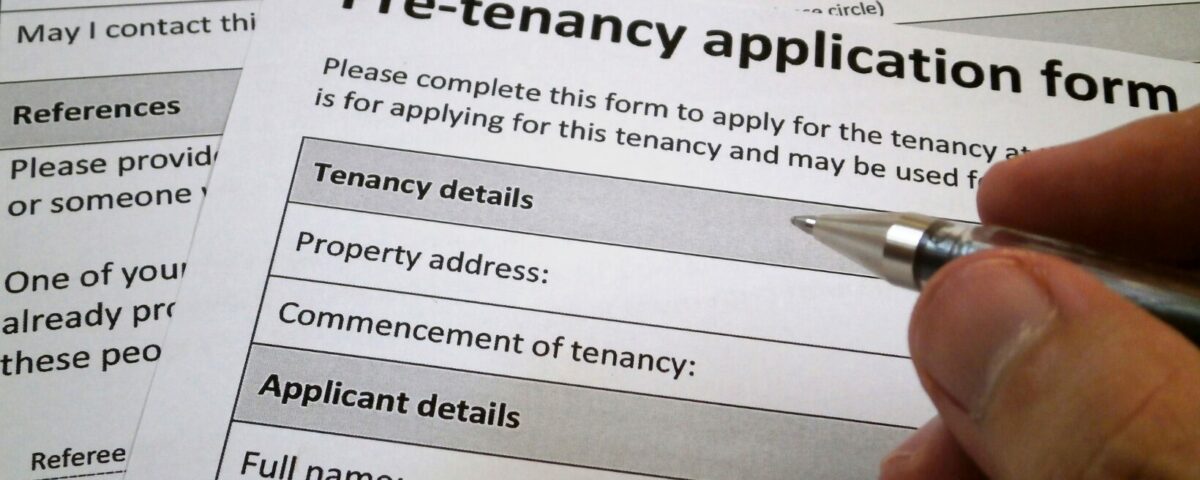
The Carolina Tenant Screening Checklist
In the Carolinas, effective resident screening is less about intuition and more about having a clear, repeatable process. Markets like Charlotte, Fort Mill, Concord, Huntersville, and Rock Hill move quickly, and qualified renters often apply to multiple homes at once. In this environment, relying on first impressions can lead to rushed decisions, whereas a structured approach yields better outcomes.
This guide provides a Carolina-specific resident screening checklist designed for real-world use in North and South Carolina. It focuses on practical rental application verification, outlines what landlords can reasonably ask and confirm, and highlights common fair housing screening mistakes that create unnecessary risk.
Landlords typically delay establishing screening standards until applications are received. Developing criteria during the process can lead to exceptions, inconsistencies, suboptimal resident selection, and potential legal liabilities.
Before listing a rental, establish your screening rules in plain, direct language. Define income requirements, acceptable documentation, how landlord references are verified, how evictions and unpaid balances are handled, whether guarantors are allowed, and how pets and occupancy limits are addressed. Once standards are set, apply them consistently.
Phase 1: Pre-Screening in the Carolinas
Prescreening is extremely important and can save you hours.
☐ Share minimum requirements upfront
Post them clearly with the listing. This reduces wasted showings and prevents “but you didn’t tell me” conversations later.
☐ Explain who must apply
All adults living in the home should apply. This is standard practice across NC and SC and avoids last-minute surprises.
☐ Set expectations on timing
“Completed applications are reviewed in the order received” keeps things fair and defensible.

Phase 2: What You Can Ask in NC & SC
A strong resident screening checklist focuses on lease performance, not personal details.
☐ Identity information
Legal name, contact info, date of birth, current and prior addresses. This helps prevent record mismatches and fraud.
☐ Household makeup
Who will live in the home, and which adults will sign the lease? Keep these factual names and ages only.
☐ Employment and income
Employer, role, start date, monthly income, and any additional income sources you consider. In the Carolinas, mixed income sources (hourly + bonus, dual jobs, or commission) are common; clarity matters.
☐ Rental history
Current and prior landlords, rent amounts, residency dates, and reasons for leaving. This is often the most predictive part of the application.
☐ Lease-specific disclosures
Pets, smoking (if restricted), vehicles, and the move-in timeline. Stick to property rules, not personal questions.
Phase 3: Identity Verification
In hot Carolina rental markets, fraud happens because things move fast.
☐ Match ID to application details
Name, photo, and date of birth should align cleanly.
☐ Confirm address history makes sense
Large gaps or inconsistencies don’t always mean “no,” but they do mean “verify before moving on.”
☐ Watch urgency pressure
“Can I skip screening if I pay today?” is a red flag. In Charlotte and Fort Mill, especially, legitimate applicants expect screening.

Phase 4: Income & Employment Verification
This is where good screening separates itself from wishful thinking.
☐ Verify income with reliable documents
Recent pay stubs should show consistency, not just a big number. Look at pay frequency and year-to-date totals.
☐ Confirm employment independently
Use an official company number or HR contact, not just what’s listed on the application.
☐ Handle new jobs carefully
Offer letters are common in growing Carolina job markets, but start dates matter. “Starting next week” is very different from “starting later this summer.”
☐ Apply the same rules to self-employed applicants
Bank statements, tax returns, or 1099s, whatever you accept, accept it consistently.
Phase 5: Rental History
Rental history tells you how someone behaves once the lease is signed, and that matters more than charm.
☐ Speak with prior landlords or property managers
Ask direct questions: on-time payments, lease violations, property condition, balances owed, and whether they’d rent to the tenant again.
☐ Confirm the landlord is legitimate
In the Carolinas, fake landlord references are common. Cross-check ownership or management when possible.
☐ Use a consistent backup if landlords can’t be reached
Ledger statements or proof of payment can wor,k just don’t invent new rules for different applicants.

Phase 6: Credit Review
Credit matters, but it’s not the whole story, especially with rising housing costs in Charlotte and surrounding counties.
☐ Look for patterns, not perfection
One old medical collection isn’t the same as repeated missed payments or unpaid housing debt.
☐ Focus on housing-related issues
Unpaid rent, utilities, or landlord balances are more relevant than a single late credit card payment.
☐ Document your reasoning
If you deny based on credit, explain why clearly and objectively.
Phase 7: Evictions & Criminal History
This is where Carolina landlords often get into trouble by being too broad.
☐ Evictions: verify the outcome
An eviction filing isn’t the same as an eviction loss. Always check whether the case was dismissed, settled, or resulted in judgment.
☐ Criminal history: avoid blanket policies
If your jurisdiction allows consideration, keep the criteria narrow and relevant. “Any record ever” is not a safe or smart standard.
If you’re unsure what’s permitted locally (especially with city-specific rules), get legal guidance and lock in a written policy.

Fair Housing Tenant Screening
Most fair housing problems don’t come from bad intent; they come from inconsistency.
☐ Don’t change requirements mid-process
If you require two pay stubs, require two for everyone.
☐ Don’t ask personal questions
Avoid anything related to family status, pregnancy, religion, national origin, disability, or lifestyle.
☐ Don’t steer applicants
Comments like “this neighborhood isn’t a good fit” or “families usually prefer something else” create risk.
☐ Don’t negotiate rules privately
Side deals on deposits or policies undermine consistency and create exposure.
Making the Decision
Once screening is complete, the decision should be simple and defensible: approve applicants who clearly meet your written standards, apply conditions only when your policy allows, or deny based on documented, objective reasons you can confidently explain. If a screening or credit report influenced the outcome, proper notices must be issued promptly to keep the process compliant and transparent.
Tenant screening in the Carolinas works best when it’s systematic. Without a defined process, landlords risk wasted time, inconsistent decisions, longer vacancies, and the wrong resident in the home. These problems are far more expensive than getting screening right the first time.
If you want qualified residents, faster leasing, and a proven screening process across North and South Carolina, let us place your next tenant. We handle marketing, showings, applications, rental application verification, and lease execution from start to finish. Request a property management proposal and see how professional screening protects your rental.