A practical guide to maintenance, repairs, and cost expectations for rental property owners
Owning a rental property is an investment, and maintenance is a normal, ongoing part of protecting that investment. Our goal is to keep your property safe, functional, and attractive to residents while helping you understand expected maintenance costs, why repairs happen, and how you make maintenance decisions.
This guide gives new and existing property owners a clear picture of rental maintenance before issues arise.
1. Why Maintenance Is Part of Rental Ownership
A rental property experiences more wear and tear than a typical owner-occupied home. Residents use plumbing, appliances, HVAC systems, doors, locks, electrical fixtures, flooring, and other components every day.
Even with responsible residents, things eventually:
Wear out
Break unexpectedly
Require routine service
Need replacement
Become outdated or inefficient
Require repair to comply with safety requirements
Maintenance should be viewed as a cost of operating the investment, not necessarily as an indication that something has gone wrong with property management.
Our objective is to address issues promptly, avoid unnecessary expenses, and recommend repairs that make financial sense for your property.
2. What Does Maintenance Typically Cost?
There is no single “average” maintenance bill. Costs depend heavily on the property, the home’s age, the condition of its systems, parts availability, labor rates, and the type of repair required.
As a general budgeting guideline, owners should set aside about 5–10% of annual rental income for maintenance and repairs, with older properties potentially requiring more.
For example:
Monthly Rent
Annual Rent
5% Maintenance Reserve
10% Maintenance Reserve
$1,500
$18,000
$900/year
$1,800/year
$2,000
$24,000
$1,200/year
$2,400/year
$2,500
$30,000
$1,500/year
$3,000/year
$3,000
$36,000
$1,800/year
$3,600/year
Important: This is a budgeting guideline, not a prediction or guarantee. A property may need little maintenance one year and require a major repair the next.
Owners should also maintain a separate reserve for major capital expenses, such as roof replacement, HVAC replacement, plumbing re-piping, windows, or other major components.
3. Maintenance vs. Capital Expense
One of the most important distinctions for rental owners is understanding the difference between an ordinary repair and a major replacement.
These expenses are generally part of the normal cost of operating a rental property.
Major Replacement / Capital Expense
Examples may include:
New HVAC system
New roof
Water heater replacement
Major plumbing replacement
Electrical panel replacement
Extensive flooring replacement
Major appliance replacement
Window replacement
Significant water-damage restoration
Extensive Make Ready (unit turn between residents)
These expenses can be substantially higher and should be planned separately from routine maintenance.
4. Who Pays for Maintenance?
Responsibility depends on what caused the issue.
Typically, the Owner’s Responsibility would be for repairs related to:
Normal wear and tear
Aging equipment
Mechanical failure
Property systems
General deterioration
Preventative maintenance
Code or safety requirements
Replacement of owner-provided appliances and equipment
Potentially the Resident’s Responsibility would include damages that result from:
Negligence
Misuse
Abuse
Failure to report a problem promptly
Unauthorized alterations
Damage caused by the tenant or their guests
When appropriate, we may seek reimbursement from the resident in accordance with the lease and applicable law.
Not every repair that occurs while a resident is residing in your home is caused by a resident. Keep in mind that normal wear and mechanical failure are expected components of property ownership.
5. Why Did the Repair Cost More Than Expected?
Repair pricing can vary significantly.
A service call may seem like a simple issue at first, but it can reveal additional problems once a qualified technician inspects the property.
For example:
“The air conditioner isn’t working.”
The eventual repair could be anything from a simple capacitor replacement to a refrigerant issue, electrical problem, failed blower motor, or complete system replacement.
Other factors affecting cost include:
Diagnostic/service-call charges
Labor
Parts
Emergency or after-hours service
Accessibility of the equipment
Age of the system
Availability of replacement parts
Code requirements
Multiple issues discovered during one visit
Specialty contractor requirements
We will communicate available information and recommendations as efficiently as possible so owners can make informed decisions.
6. Why Can’t Every Repair Wait?
Some maintenance issues become significantly more expensive when delayed.
For example:
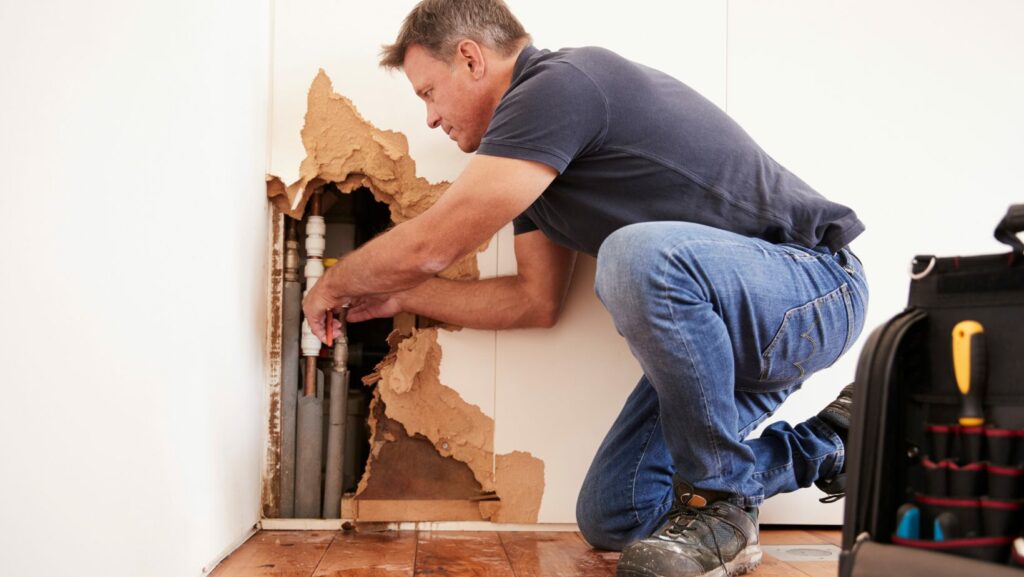
Small plumbing leak → water damage → mold remediation → flooring/wall replacement
or
Minor HVAC problem → continued operation → larger component failure → system replacement
Prompt maintenance can therefore protect both the property and the owner’s long-term investment.
Safety-related issues, active leaks, loss of essential services, significant water intrusion, and other urgent conditions may require immediate attention.
7. What Is an Emergency?
An emergency generally involves an issue that presents an immediate threat to:
Life or safety
The property’s structure
Significant water intrusion
Essential utilities
Security of the property
Examples can include:
Major active water leak
No heat during dangerous cold conditions
Significant electrical hazard
Gas-related concern
Major sewer backup
Serious storm damage
Inability to secure the property
Not every inconvenience is an emergency.
A broken appliance, cosmetic issue, or minor drip may still require attention but may be handled during normal business hours.
2. We evaluate the request
We determine whether the issue appears routine, urgent, emergency-related, resident-caused, or potentially preventative.
3. Troubleshooting
When appropriate, we may give the resident simple troubleshooting instructions.
4. Technician/Team assignment
A qualified technician and/or team member may be dispatched based on the type and urgency of the problem.
5. Diagnosis
Our team determines the cause and makes necessary repairs if under your NTE limit stated in your management agreement. If the needed repairs exceed this amount, we will provide an estimate for your approvalbefore any work proceeds. (This does not include emergency situations)Emergency situations may require immediate action to protect the tenant, property, or owner from greater loss.
6. Owner communication
When an owner decision or approval is required, we communicate the recommendation and estimated cost when available.
7. Repair or replacement
The work is completed and documented.
8. Follow-up
We confirm that the issue has been addressed and close out the maintenance request.
9. Why We May Recommend Repair Instead of Replacement
Our goal is not to replace equipment simply because it is old.
When practical, we consider:
Cost of repair
Cost of replacement
Age of the equipment
Remaining useful life
Frequency of previous repairs
Availability of parts
Energy efficiency
Manufacturer support
Warranty coverage
Likelihood of another failure
Long-term rental-property economics
A $300 repair may make sense on a system that could reasonably last several more years.
Conversely, spending $300 repeatedly on a failing system may not make financial sense when replacement is becoming inevitable.
10. Common Maintenance Items Owners Should Budget For
Some of the most common rental-property expenses include:
HVAC
Seasonal service, repairs, filters, capacitors, motors, thermostats, refrigerant-related repairs, and eventual system replacement.
Plumbing
Clogged drains, leaking fixtures, toilets, supply lines, garbage disposals, water heaters, and sewer issues.
Electrical
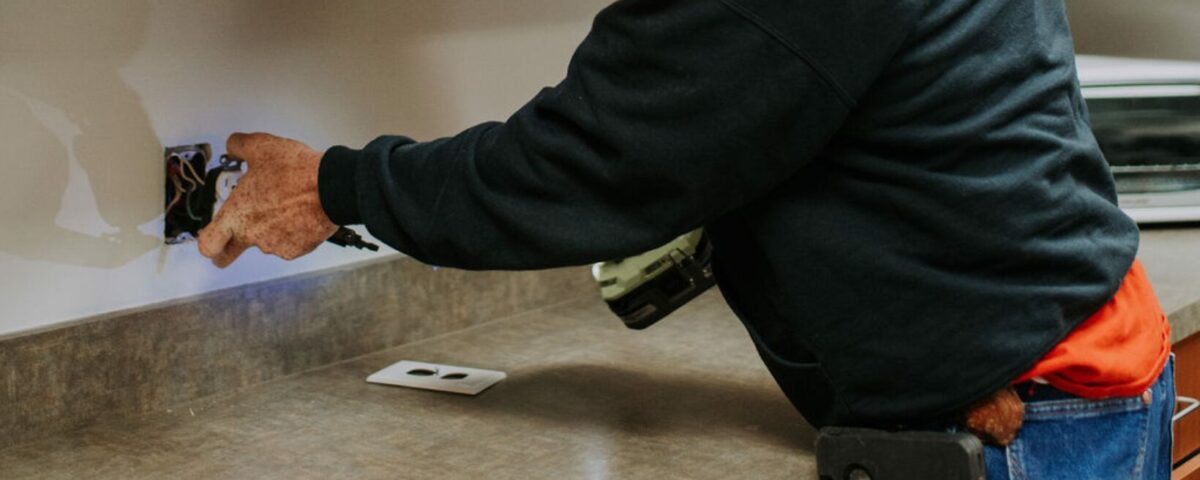
Outlets, switches, breakers, fixtures, GFCIs, smoke/CO detectors, and occasional troubleshooting.
Appliances
Refrigerators, ranges, dishwashers, microwaves, washers, and dryers where provided by the owner.
Some of these costs are normal turnover expenses. Others may be chargeable to the departing resident if they exceed normal wear and tear and are permitted under the lease and applicable law.
13. Why Preventative Maintenance and Property Surveys Matter
A property that looks fine from the outside can still have developing problems.
Regular inspections can identify issues such as:
Slow plumbing leaks
Roof deterioration
HVAC problems
Moisture intrusion
Pest activity
Unsafe conditions
Deferred maintenance
Resident-caused damage
Early identification doesn’t guarantee you can avoid a major repair, but it can give you more options and potentially reduce the cost of addressing the problem.
14. Frequently Asked Questions
“Can you guarantee that maintenance costs won’t exceed my budget?”
No. Maintenance costs are inherently unpredictable. We can manage expenses responsibly, but we cannot control when equipment fails, what parts cost, or what a contractor discovers after inspection.
“Why am I paying for repairs if the tenant caused the problem?”
If there is evidence that a tenant caused damage, we may pursue reimbursement from the tenant as appropriate. However, the property may need prompt repairs rather than waiting for reimbursement.
“Can you use the cheapest contractor?”
Our priority is reasonable value, not necessarily the lowest invoice.
A contractor who charges less but performs poor-quality work can ultimately cost an owner more through repeat visits, additional damage, or premature failure.
“Why does my house need maintenance when it was just renovated?”
Renovation does not make property maintenance-free. Newer components can still fail, and all properties experience normal wear.
“Can we wait until the tenant moves out to fix it?”
Sometimes. At other times, delaying a repair can violate the lease, create habitability concerns, cause additional damage, or increase costs.
Maintenance decisions are therefore made based on urgency, risk, tenant impact, and overall property economics.
“Why did I get charged a diagnostic fee?”
Many contractors charge a service or diagnostic fee to inspect the problem, determine the cause, and recommend a repair. This fee may apply even when the owner ultimately decides not to proceed with the recommended repair.
“Why did the repair require a second visit?”
Some repairs require specialized parts, additional labor, or further diagnosis. We may need to return once we obtain the correct part.
“Why wasn’t I called before the repair?”
Your management agreement determines the approval process. Emergency situations and repairs within an authorized spending limit may be handled without obtaining separate approval each time.
“What should I do about a large, unexpected repair?”
The best approach is to maintain a dedicated property reserve. Large expenses are a normal part of long-term real estate ownership, and having funds available prevents a necessary repair from becoming a financial emergency.
15. The Most Important Expectation
Owning a rental property is not maintenance-free.
A successful rental investment requires budgeting for both predictable and unpredictable expenses.
Our role is to:
Respond promptly to maintenance concerns
Protect the property
Help reduce unnecessary expenses
Identify potential problems
Communicate important repair decisions
Balance immediate costs with long-term property value
Keep the property safe, functional, and competitive in the rental market
Your role as the owner is to maintain adequate reserves and understand that occasional unexpected expenses are part of owning real estate.
Recommended Owner Reserve
As a starting point, we recommend that owners maintain:
Routine Maintenance Reserve:
Approximately 5–10% of annual rental income, adjusted for the property’s age and condition.
Major Capital Reserve:
A separate fund for major systems and replacements such as HVAC, roof, water heater, appliances, plumbing, and exterior components.
Older properties, properties with aging major systems, and properties with deferred maintenance may warrant a larger reserve.
Final Takeaway
The goal of property management isn’t to eliminate maintenance; it is to manage it intelligently.
When maintenance is handled promptly, documented properly, and evaluated from both a short-term and long-term perspective, owners can better protect their property, their tenants, and their investment.
Expect maintenance. Budget for it. Address problems early. And view necessary repairs as part of the cost of owning a successful rental property.
This guide is intended as general owner education and does not replace the terms of the applicable property-management agreement, lease, contractor recommendations, insurance policy, or applicable laws and regulations.
Shelly proudly calls herself a “Charlottean,” having lived in the city since her elementary school years. As Henderson Properties’ co-founder with her husband Phil, she oversees daily operations, social media branding, and leadership development. Her diverse life experiences, both uplifting and challenging, inspired her first book, Starting From Scratch. With a servant’s heart, Shelly leads with purpose and passion. She is also a proud mom to two sons, whose successes as young adults continue to fill her heart with joy. Thanks for reading!