- Walk-in Traffic is by Appointment Only - More Details

Furnished vs. Unfurnished Rentals in Charlotte

New Hires, Same Commitment to Excellence
March 24, 2026
How to Choose the Best Property Management Company in Charlotte
May 27, 2026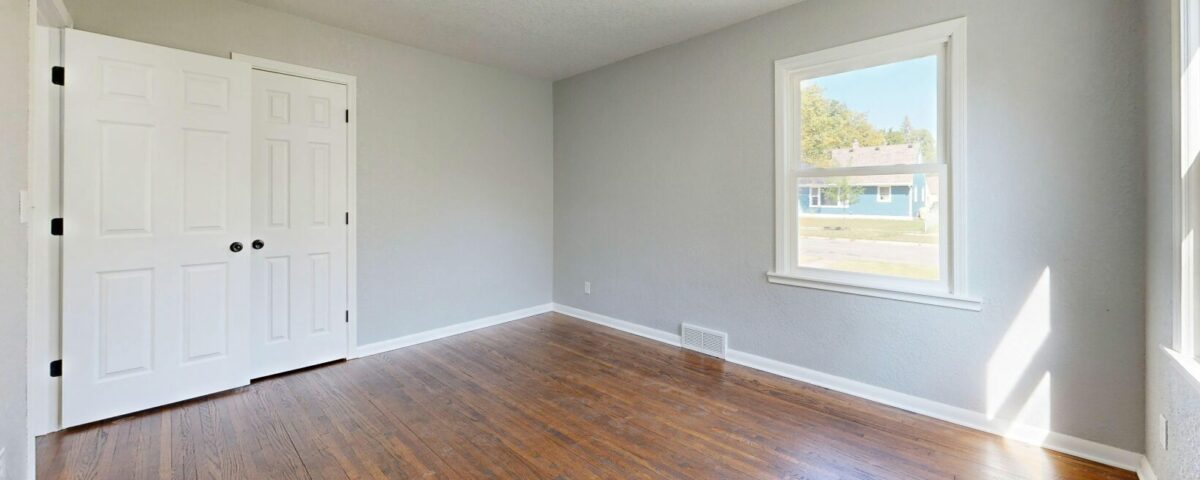
Charlotte Rental Property Strategy
Is Furnishing Your Charlotte Rental Worth It?
Charlotte rental owners are asking a smart question right now: Should I rent my property furnished or unfurnished?
Furnished rentals can look attractive because they may command higher monthly rent, especially in areas like Dilworth, South End, Plaza Midwood, SouthPark, Ballantyne, and near Charlotte Douglas International Airport. But the real question is not just which option charges more rent. It is which strategy produces the best net return after vacancy, utilities, furniture, cleaning, repairs, management, compliance, and wear and tear.
Charlotte Rental Market Context
Why This Question Matters in Charlotte Right Now
Charlotte is not a sleepy rental market. It is a growth market, a relocation market, a banking market, a healthcare market, a travel market, and an increasingly competitive housing market all at once.
Mecklenburg County’s population was estimated at 1,233,383 residents as of July 1, 2025, up from a 2020 base of about 1.12 million. The broader Charlotte metro has also continued to grow quickly, which feeds both sides of the rental equation.
Long-term renters need stable housing. New arrivals may want to rent before buying. Corporate transferees may need a furnished place for 60 to 120 days. Families relocating from other regions may want to test-drive neighborhoods before committing to a mortgage. Healthcare professionals and project-based workers may only need a home for one contract.

Know the Difference
What Counts as a Furnished Rental?
Not all furnished rentals are the same. Most Charlotte owners are choosing between three broad strategies.
Unfurnished Long-Term Rental
Usually leased for 12 months or longer. The resident brings their own furniture, pays most utilities, and treats the home as their primary residence.
Furnished Mid-Term Rental
Usually rented for 30 days or more, often for one to six months. Common for relocating families, travel nurses, consultants, corporate assignments, and insurance-displacement housing.
Short-Term Furnished Rental
Generally rented nightly or weekly. It can serve tourists, sports fans, wedding guests, business travelers, and visiting families, but it behaves more like a hospitality business.
The Case for Unfurnished Rentals in Charlotte
Unfurnished rentals are not flashy, but they are often the most dependable. For many Charlotte property owners, especially those with single-family homes in established residential neighborhoods, the unfurnished model wins because it is simple, predictable, and easier to scale.
A furnished rental may bring in more money when occupied, but an unfurnished rental with a good resident, lower expenses, and fewer turnovers can produce better net ROI.
Advantages of Unfurnished Rentals
- Lower startup costs: no beds, couches, cookware, linens, TVs, décor, or household essentials to purchase.
- Lower utility exposure: residents commonly place utilities in their own name.
- Less turnover work: fewer repeated cleanings, restocking cycles, and vacancy gaps.
- Larger renter pool: many families and long-term residents prefer to bring their own furniture.

Where Unfurnished Rentals Often Work Best Locally
Unfurnished rentals tend to perform well in suburban and residential areas where renters are settling in rather than passing through. Think Ballantyne, Steele Creek, Highland Creek, Matthews, Mint Hill, Huntersville, Indian Trail, Monroe, Pineville, and many parts of east and north Charlotte.
Larger 3-bedroom and 4-bedroom homes often attract families, roommates, or long-term residents who already own furniture and want stability.
The Upside
The Case for Furnished Rentals in Charlotte
Furnished rentals can work well in Charlotte when the property matches the renter profile. Charlotte has built-in demand drivers for furnished housing, including a large corporate base, a major airport, a strong healthcare sector, popular neighborhoods, major sports and entertainment venues, and steady relocation traffic.
The premium comes from convenience. A furnished renter is not just paying for square footage. They are paying for speed, flexibility, certainty, and comfort.
The strongest furnished rentals in Charlotte usually offer:

The Real ROI Difference
Gross Rent vs. Net Return
A furnished rental may generate more gross rent, but it also comes with additional costs. The real test is net ROI after vacancy and expenses.
Net ROI = Income collected after vacancy minus operating expenses, divided by total cash invested.
| Category | Unfurnished Long-Term | Furnished Mid-Term |
|---|---|---|
| Monthly rent example | $2,100 | $3,285 |
| Annual gross rent | $25,200 | $39,420 |
| Vacancy assumption | Lower | Moderate |
| Utilities paid by owner | Usually low or none | Often significant |
| Furniture cost | None | High upfront cost |
| Turnover | Lower | Higher |
| Net upside | Stable | Higher, but only if occupied and priced well |
Short-Term Rentals: Bigger Potential, Bigger Swings
Short-term rentals deserve their own category because the economics are different. A well-designed bungalow near Plaza Midwood may perform differently than a townhome near the airport. A condo in Uptown may be affected by HOA rules. A home near NoDa may benefit from nightlife and weekend demand but require strong noise policies.
Short-term rentals also carry tax, compliance, HOA, insurance, zoning, cleaning, guest-communication, and operations considerations. Owners need to think about the property like a hospitality asset, not just a rental house.

Neighborhood Fit
Where Furnished Rentals Make the Most Sense in Charlotte
Furnished rentals tend to make the most sense when the property is close to a renter segment that values flexibility.
Uptown and South End
Natural fits for corporate travelers, consultants, relocating professionals, and people who want walkability.
Dilworth, Elizabeth, and Myers Park
Can work well for executive stays, medical professionals, relocating families, and renters who want charm near Uptown.
Plaza Midwood and NoDa
May attract visitors, remote workers, creatives, and people who want a more local Charlotte experience.
SouthPark
A potential fit for corporate users, executives, consultants, and relocating families.
Ballantyne and South Charlotte
Can work for relocating families, corporate assignments, and people waiting to buy or build.
Airport, Steele Creek, and West Charlotte
May appeal to airline workers, traveling professionals, contractors, and renters who value logistics.
When Unfurnished Rentals Usually Produce Better ROI
Unfurnished rentals usually win when the property is in a stable residential area, when the likely renter is a family or long-term household, or when the owner wants lower management intensity.
They also tend to make more sense when the home would be expensive to furnish, such as larger 4-bedroom homes with multiple bedrooms, living areas, outdoor spaces, and TVs.
When Furnished Rentals Can Produce Better ROI
Furnished rentals can outperform when the location has a clear temporary-housing demand driver and the home is easy to live in immediately.
Pricing must be realistic, expenses must be controlled, and the owner needs a plan for inquiries, screening, turnover, cleaning, repairs, and ongoing management.

Property Fit
The Best ROI Strategy by Property Type
So, Which Produces Better ROI in Charlotte?
Unfurnished rentals usually produce better risk-adjusted ROI for most Charlotte property owners. Furnished mid-term rentals can produce better net ROI for the right property in the right location. Short-term rentals can produce strong upside, but they carry the most volatility, expense, and operational complexity.
A furnished rental strategy should not be chosen just because the monthly rent looks higher. It should be chosen because the property has a clear demand profile, the numbers work after expenses, and the owner has a plan for turnover, maintenance, compliance, and vacancy.
A Practical Rule of Thumb for Charlotte Owners
Before furnishing your Charlotte rental, ask these five questions:

Ready To Get Started?
Charlotte is a strong rental market, but it is not one-size-fits-all. A furnished rental in South End, Dilworth, SouthPark, Ballantyne, NoDa, or near the airport may outperform a traditional lease when it is designed and managed well. A suburban single-family rental in Matthews, Mint Hill, Steele Creek, Huntersville, or Monroe may deliver stronger long-term results with a reliable unfurnished resident.
At Henderson Properties, we help Charlotte-area owners evaluate rental strategy, pricing, property condition, maintenance, leasing, resident placement, and long-term investment performance. Whether you are considering a traditional lease, exploring a furnished rental, or deciding how to position your next investment property, local guidance can make the difference between higher rent on paper and stronger ROI in real life.
FAQs About Furnished vs. Unfurnished Rentals in Charlotte