- Walk-in Traffic is by Appointment Only - More Details

Can You Rent Out Your Home in an HOA?

December Rental Market Slows… Why Charlotte Feels It Even More
December 2, 2025
Insider’s Guide: Moving to Charlotte
December 9, 2025
Charlotte HOA Rental Restrictions
HOAs are common throughout the Charlotte metro area in townhomes, condos, new-build subdivisions, and planned communities. They provide structure, amenities, curb appeal, and of course, a lengthy list of rules. For landlords, these rules directly influence who you can rent to, how you advertise, how quickly you can find tenants, what types of vehicles your renters can park, and even the long-term profitability of your investment. Many owners don’t realize this until after closing, when they receive the first violation letter.
It’s important to note that Henderson Properties is not an HOA management company; we don’t manage association operations or enforce HOA regulations. However, we provide full property maintenance services for owners whose rentals are in HOA communities, helping ensure your home remains compliant, well-maintained, and in good standing with your association.
This guide will walk you through what to know about HOA rental rules in Charlotte, NC, why they matter, and how to protect your investment when renting in an HOA community.
Why HOAs Affect Your Rental More Than You Think
In North Carolina, HOA authority is governed by state law under the Planned Community Act and the Condominium Act. Each community also has its own covenants (called CC&Rs), bylaws, and rulebooks. Together, they create a third layer of regulations—separate from landlord-tenant law and separate from your lease.
Even if you follow North Carolina rental law, your HOA can still limit leasing types, set tenant behavior standards, and enforce rules you’re not expecting. They can’t violate federal or state law, but they can impact your experience as a property owner.
Many HOAs in Charlotte limit the percentage of homes that can be rented simultaneously. These “rental caps” are intended to maintain neighborhood stability and protect the community’s eligibility for financing. If your prospective community already has a full roster of renters, you might find yourself on a waitlist with no option to lease your home for months.
For investors, this can disrupt cash flow, delay rent, and turn a promising deal into a burden.

Slowed Leasing and Extra Steps
Some HOAs require owners to submit leases in advance, provide resident contact details, or obtain written approval before a tenant moves in. Some are straightforward. In contrast, others involve board review, management company processing, or scheduled meetings.
Even when approvals are a formality, they can delay move-ins. If your HOA reviews leases monthly, you might lose weeks of rent waiting for approval. Investors who don’t plan for this face unnecessary vacancy.
Parking, Vehicles, and the “I Didn’t Know” Problem
Parking is a major source of conflict in HOA communities. Tenants who break parking rules usually don’t receive warnings… You do. If fines accumulate or towing occurs, owners often cover the costs. It’s important to understand if your target tenant can actually follow your community’s parking rules.
Rules commonly address:
- Street parking
- Overnight parking
- Work vans, trailers, or commercial vehicles
- Number of vehicles allowed per household
Amenities, Access, and Expectations
Amenities are a major selling point for renters choosing an HOA community. Pools, clubhouses, fitness centers, dog parks, and gated entries make the property feel upscale and help justify higher rents.
But HOAs often manage access through key fobs, registration processes, and rulebooks. If tenants don’t understand the process or if the owner is behind on dues, amenities may be suspended.
This causes tenant frustration and creates unnecessary customer service issues for landlords. Clear communication can often resolve these problems, but only if you yourself know the rules beforehand. Owning a rental property in an HOA doesn’t mean you can make modifications without restrictions.
Rules typically govern everything from exterior paint colors and fencing to satellite dishes, doorbell cameras, and patio decorations. If your tenant installs something without approval, you may be required to remove it and restore the original condition at your own cost.
Fines, Delays, and Changing Rules
When tenants violate HOA rules, the HOA pursues you, not them. Violations may result in fines, amenity suspensions, liens, or legal action, depending on the severity and applicable governing documents. Even minor issues, such as trash collection or noise complaints, can accumulate if a tenant fails to comply.
HOAs can amend governing documents by vote, allowing rules to change annually. Investors should monitor meeting minutes and updates to avoid surprises from new leasing policies.

Why Many Investors Still Prefer HOA Communities
HOA communities in Charlotte continue to attract renters and deliver strong returns for owners, especially in popular areas such as Ballantyne, Steele Creek, SouthPark, and University City, where they offer a polished, well-maintained environment that renters seek.
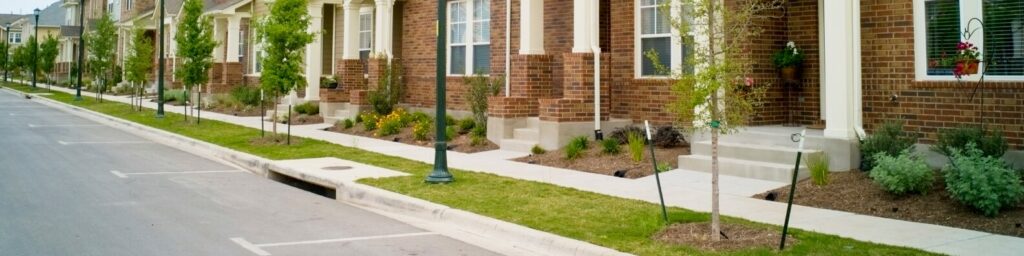
Charlotte renters appreciate communities where landscaping is consistent, streets are clean, and amenities such as pools, clubhouses, walking trails, and fitness centers are maintained to a high standard. That curb appeal directly translates into higher rents, faster leasing, and residents more likely to renew.
HOA communities foster order and stability, which renters notice when touring neighborhoods near Rea Road, Providence Road, or around the I-485 corridor. Residents often feel safer and more comfortable, making HOA homes highly sought-after rentals in Charlotte.
How to Succeed When Renting in an HOA Community
Renting in an HOA works best when you understand the rules early and set clear expectations with your tenants. A little preparation goes a long way in preventing fines, delays, and misunderstandings.
The usual steps include:
- Review all HOA documents, so you know exactly what’s allowed.
- Match your lease to the HOA rules to keep violations enforceable.
- Explain rules to tenants upfront, especially parking, amenities, and exterior standards.
- Register tenants when required to avoid access issues.
- Pay dues on time and follow updates so nothing slips through the cracks.
- Watch for rule changes that may affect leasing.

Need Help With HOA Rules in Charlotte?
HOA rules don’t have to be a headache. With the right preparation and team, they can actually protect your investment, increase your rental value, and improve tenant satisfaction.
If you own or are considering a rental in an HOA community in Charlotte, Henderson Properties can help you understand the rules, avoid costly mistakes, and manage everything from leasing to compliance.
Have questions about your HOA’s rental policies? Contact us, and we’ll help you make sense of the fine print so your investment works exactly as planned.