- Walk-in Traffic is by Appointment Only - More Details

Insider’s Guide: Moving to Charlotte

Can You Rent Out Your Home in an HOA?
December 7, 2025
Welcome to the Team
December 9, 2025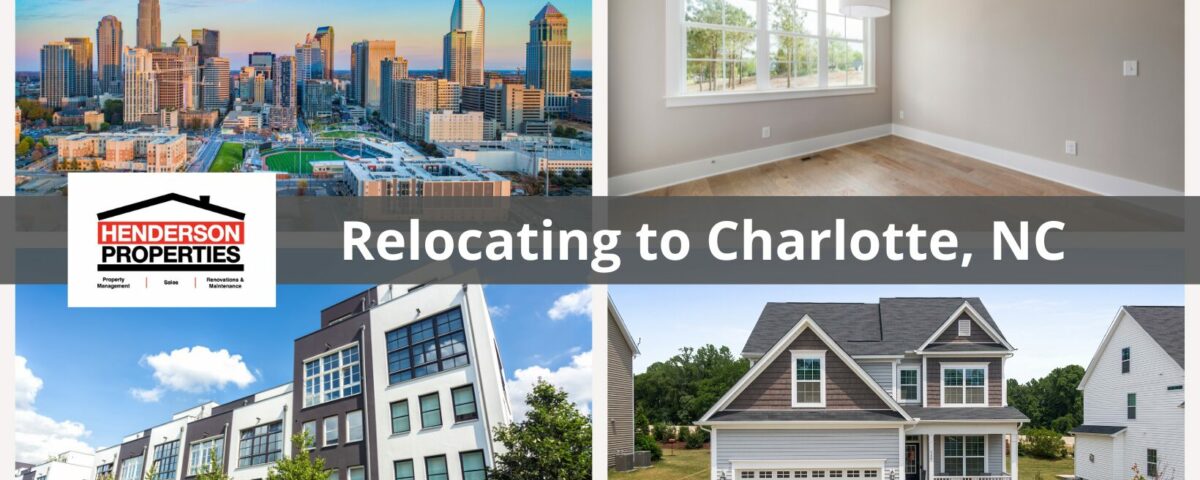
New to the Queen City?
Charlotte is practically sprouting new zip codes overnight, outpacing almost every major metro on the East Coast and turning transplants into proud Queen City loyalists at record speed. Maybe you’re chasing a new job in one of our shiny Uptown towers, craving a lifestyle upgrade with craft breweries and greenways at your doorstep, or simply ready for a fresh start somewhere that feels big enough for opportunity but small enough to still say “hey” to your neighbors.
Whatever brought you here, Charlotte has a neighborhood with your name on it, from the buzzy streets of South End to the tree-lined calm of Myers Park, the artsy corners of NoDa, or the family-friendly comfort of Ballantyne. In a city this diverse and fast-growing, there’s a perfect spot waiting for every personality, budget, and version of you that’s ready to start a new chapter.
This guide walks you through the areas newcomers love most, explains how local real estate taxes work, breaks down renting versus buying (including the popular house-hacking approach), and gives you simple, practical ways to get to know your new city once you arrive.
Real Estate Taxes in Charlotte
One question our agents hear frequently is, “How expensive is the property tax here?” Fortunately, North Carolina, and Charlotte in particular, is known for comparatively moderate taxes.
Property taxes are based on a combination of county and city rates. Mecklenburg County charges a base rate, and homes within Charlotte city limits pay an additional municipal rate. Together, most homeowners pay an effective rate of roughly 0.7% of their home’s assessed value each year. That’s noticeably lower than in many large metros, especially on the Northeast and West Coast, where effective rates often exceed 1%-1.5%.
For example, a $400,000 home in Charlotte typically has a tax bill of about $3,000 annually. Compared with similarly sized cities, Charlotte often offers the same amenities at a lower long-term cost, which is a major reason the region appeals to first-time buyers, families, and investors.
Where Newcomers Love to Live
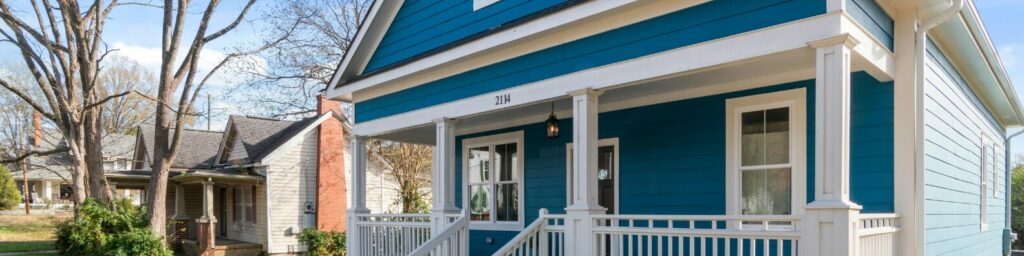
Charlotte isn’t a single city; it’s a collection of distinct districts, each with its own energy and housing style. Choosing the right one can shape your entire experience here. Check out a few of our favorites…
South End: The Hotspot for Young Professionals
South End has become one of Charlotte’s most liveable and fun-filled neighborhoods. With the LYNX Blue Line running through it, residents enjoy easy access to Uptown and University City without a car. The streets are lined with coffee shops, breweries, and new restaurants, making it one of the most social and walkable areas of the city. Most housing here consists of modern apartments and condos, perfect for those who want a lively, urban feel.
Uptown: In the Middle of Everything
Uptown Charlotte’s city center is a great fit for people who want to live where they work. It’s home to major employers, performing arts venues, museums, and sports stadiums. Residents here can walk to Hornets and Panthers games, catch the light rail, or dine at some of the city’s best restaurants without needing to travel far. High-rise apartments dominate the skyline, with amenities that cater to both convenience and luxury.
Plaza Midwood & NoDa: Creative, Colorful, and Easy to Love
East of Uptown, Plaza Midwood offers a mix of historic homes, quirky boutiques, and some of Charlotte’s most beloved restaurants. It’s artsy, walkable, and full of character, appealing to newcomers who want culture along with convenience.
Just north of Uptown, NoDa (short for North Davidson) is Charlotte’s official arts district. Murals line the streets, music venues pack their calendars, and the Blue Line makes the commute into Uptown simple. A mix of mill houses, townhomes, and apartments gives the area a distinct charm.
SouthPark: Upscale Living Close to Everything
Centered around its iconic mall, SouthPark offers a polished suburban lifestyle just minutes from Uptown. Established neighborhoods, beautiful tree-lined streets, and high-end shopping make this one of Charlotte’s most desirable areas. It’s a favorite among professionals who want both quiet streets and quick commutes.
Ballantyne: Suburban Comfort Near the South Carolina Border
Ballantyne sits at the southern tip of Charlotte and has grown into a true live-work-play environment. With top-rated schools, business parks, and newer housing developments, it’s especially appealing to families and commuters. The area offers a wide variety of single-family homes, townhomes, and upscale rentals.
University City: Affordable, Convenient, and Growing Fast
Home to UNC Charlotte, this area blends affordability with accessibility. The Blue Line ends here, providing easy access to Uptown and the South End. It’s especially attractive to first-time buyers, young professionals, and house hackers looking to offset their mortgage with rental income.
Should You Rent, Buy, or House Hack in Charlotte?
Relocating often means weighing your options… Do you rent while you get your bearings or jump straight into homeownership?
Here are a few thoughts we have, based on our nearly 40 years of real estate experience in the area…
Why Many People Rent First
Renting gives you space to figure out the city. It’s ideal for newcomers who aren’t sure yet where they’ll spend most of their time. Because Charlotte’s neighborhoods vary drastically in vibe and commute times, many relocators spend their first year exploring the city before deciding where to plant roots.
Renting also requires significantly less upfront investment and allows you to move easily if your job, lifestyle, or preferences change.
Why Buying Works for Long-Term Planners
Charlotte’s steady population growth and economic expansion continue to sustain strong real estate demand. While home prices have risen, many buyers find Charlotte more affordable than the markets they’re leaving.
Buying allows you to build equity in a region with long-term upside, and lower tax rates help keep monthly expenses manageable. If you’re confident you’ll stay for several years, buying may be the smarter financial move.
Why House Hacking Is So Popular Here
House hacking (living in one part of a property and renting out another) has become extremely common in Charlotte.
With strong rental demand near transit lines, universities, and major job centers, homeowners often offset a major portion of their mortgage by renting out spare rooms, basement suites, or duplex units.
How to Settle In and Learn the City Quickly
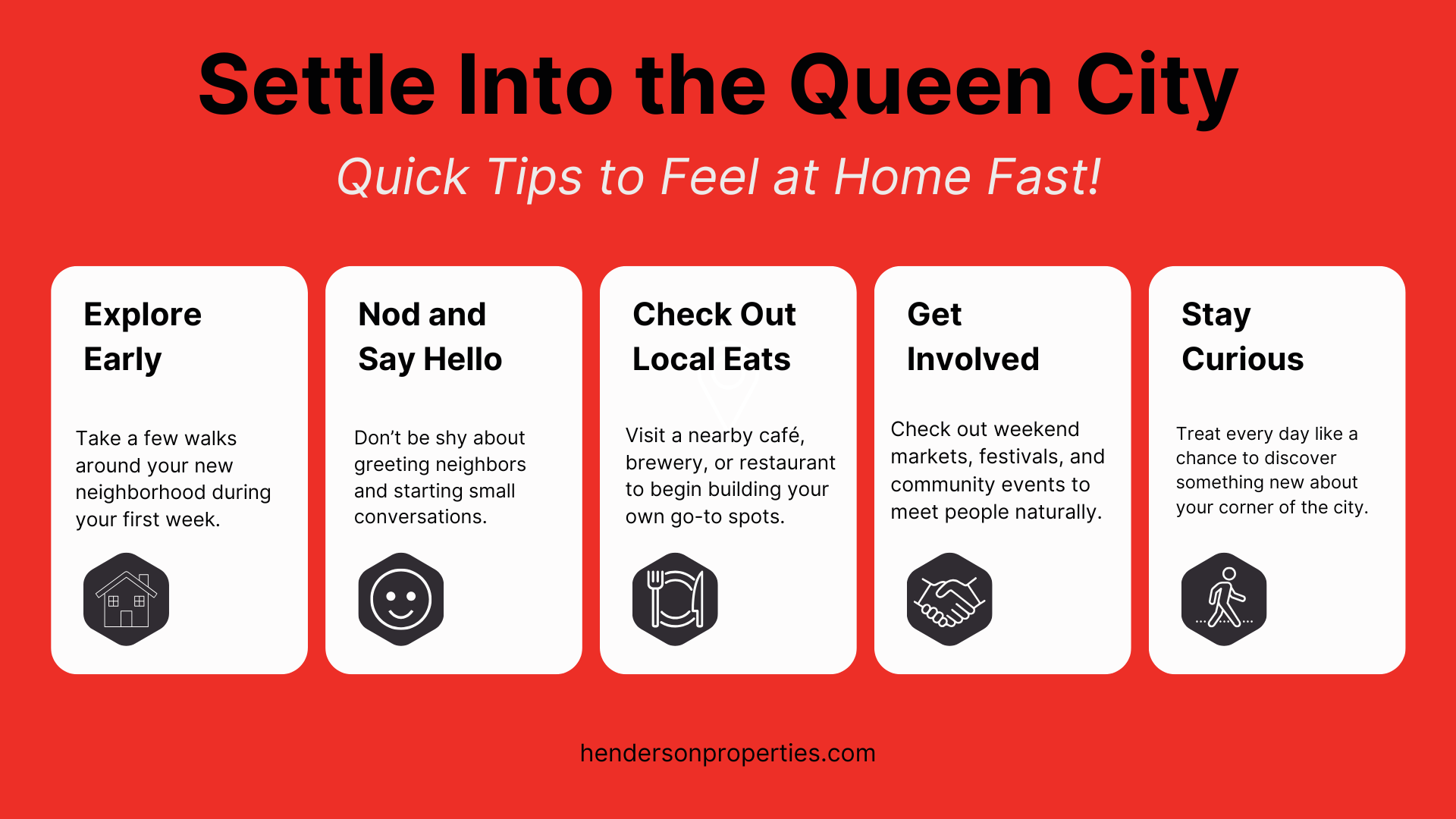
Charlotte is friendly, accessible, and surprisingly easy to navigate once you learn its rhythm. The LYNX Blue Line is one of the best ways to explore, as it runs from South Charlotte through South End and Uptown, then continues to UNC Charlotte. Riding it end-to-end on a weekend is one of the simplest ways to experience several neighborhoods in a single trip.
Parks like Freedom Park, the Little Sugar Creek Greenway, and the Rail Trail offer great places to meet locals and enjoy the outdoors. For adventure lovers, the U.S. National Whitewater Center is a must-visit and gives newcomers an easy way to connect with the city’s active outdoor culture.
If Charlotte is calling your name, and let’s be honest, it usually does, we’d love to help you plant roots in the perfect place. Reach out, and let’s find the Charlotte home that fits your next chapter.